Tinkering with company culture isn’t about adding a ping-pong table or free snacks. Real, lasting change comes from intentionally building an environment where trust, recognition, and psychological safety are the bedrock of everything you do. It starts with leaders who walk the talk and communication habits that bring your values to life every single day.
Why Your Company Culture Is Your Strongest Competitive Edge
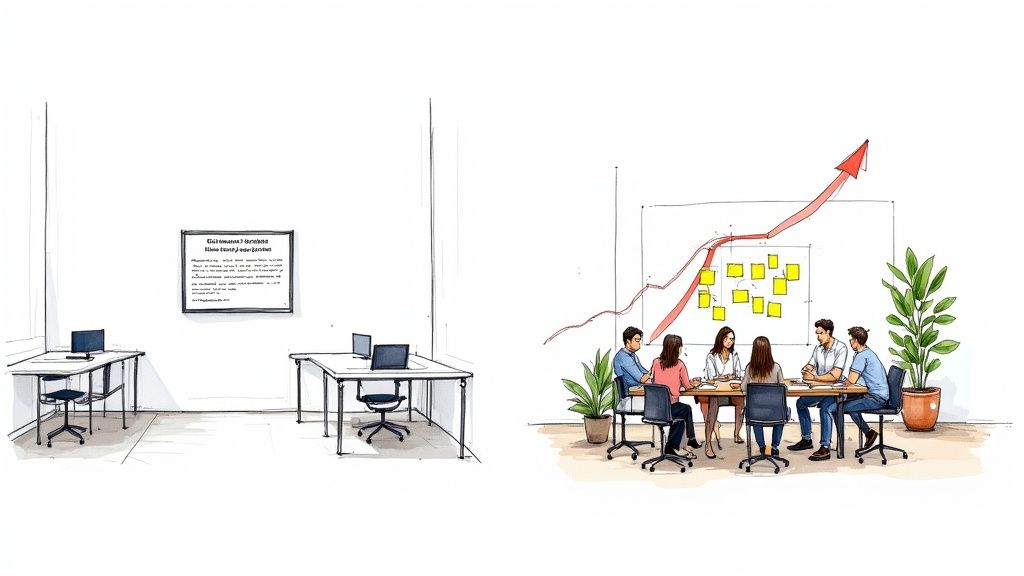
Let’s get one thing straight: a mission statement gathering dust on the wall isn’t your culture. Your culture is what your team actually experiences day in and day out. It’s the invisible force guiding how people talk to each other, tackle problems, and feel about showing up for work.
This is the critical difference between a team that just clocks in and one that’s truly all in.
When you get the culture right, it becomes your most powerful competitive advantage. Companies with a magnetic culture don’t just attract the best people; they keep them. This has a massive impact on your bottom line, slashing the astronomical costs of constantly hiring and training new staff. We dig deeper into this connection in our guide on how to reduce employee turnover.
The Hard Numbers Behind a “Soft” Skill
For too long, culture has been dismissed as a ‘nice-to-have.’ That mindset is a costly mistake. A healthy culture directly drives measurable business results.
When you invest in your people, you’ll see a clear return in several key areas:
- Innovation Explodes: People don’t share their best ideas when they’re afraid of being shut down. Psychological safety gives them the confidence to experiment, pitch unconventional solutions, and take smart risks.
- Productivity Soars: An engaged team is a productive team. When people feel valued and connected to a larger purpose, they don’t just meet expectations—they push to exceed them.
- Wellbeing Improves: A supportive, positive environment is the ultimate antidote to stress and burnout. It builds a resilient workforce that can navigate challenges without crumbling.
A landmark study published in the Journal of Organizational Behavior found that a positive organizational culture directly correlates with higher employee engagement and, consequently, superior firm performance. This isn’t just theory; it’s a proven business principle.
On the flip side, companies that neglect their culture see incredible drains on resources, including 23% lower absenteeism for engaged teams and dramatically worse retention. The proof is in the performance.
This guide is your roadmap. We’ll walk through a practical framework to diagnose what’s really holding your culture back and implement changes that stick—creating a place where your best people can do their best work.
To get started, let’s break down the essential components we’ll be covering. I like to think of a thriving culture as a structure supported by four distinct but interconnected pillars.
| The Four Pillars of a Thriving Company Culture |
| :— | :— | :— |
| Pillar | Core Focus | Key Business Impact |
| Leadership & Communication | Setting the tone from the top and establishing clear, consistent communication rhythms. | Builds trust, ensures alignment, and reinforces desired behaviors. |
| Psychological Safety & Hiring | Creating a safe space for vulnerability and integrating culture into the talent pipeline. | Boosts innovation, reduces fear of failure, and improves retention. |
| Performance & Recognition | Aligning performance systems with cultural values and recognizing contributions meaningfully. | Drives motivation, clarifies expectations, and reinforces what matters. |
| Wellbeing & Measurement | Proactively supporting employee health and using data to guide cultural evolution. | Reduces burnout, increases resilience, and ensures continuous improvement. |
Each of these pillars is crucial. A weakness in one can undermine the strength of the others. Throughout this guide, we’ll give you actionable strategies to fortify each one.
Getting to the Root of Your Culture: How to Find What Really Needs Fixing
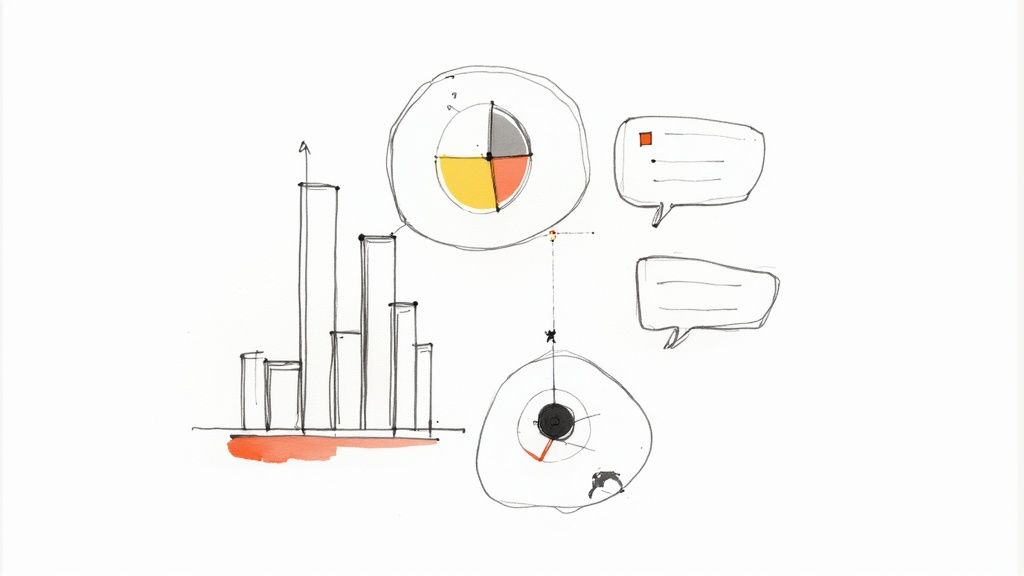
You can’t fix a problem you don’t truly understand. Before you jump into rolling out new initiatives to improve your company culture, you have to get a clear, unfiltered look at its current state—the good, the bad, and all the unspoken truths that dictate how work actually gets done.
Going with your gut or making assumptions is a recipe for well-intentioned but misguided efforts that fall completely flat.
A real culture diagnosis is much more than a single annual survey. Think of it like a doctor’s visit; you need a combination of tests to get the full picture. This way, you can be confident your efforts are aimed at the right problems from the very beginning.
Go Beyond the Numbers: Combining Data with Human Stories
The most insightful cultural audits I’ve ever been a part of blend hard numbers with real human stories. Your quantitative data tells you what is happening, but it’s the qualitative feedback that uncovers the crucial why.
Start by getting a consistent pulse on employee sentiment with some simple, recurring tools.
- eNPS (Employee Net Promoter Score): This one question—”How likely are you to recommend our company as a place to work?”—is a surprisingly powerful indicator of overall loyalty. It’s your high-level dashboard light.
- Pulse Surveys: Think short, frequent check-ins, maybe monthly or quarterly. These are great for tracking trends on specific issues like manager support, communication clarity, or workload balance over time.
But numbers will only get you so far. For instance, research published in the Academy of Management Journal shows that employees’ perception of fairness and respect within the organization is a powerful predictor of their commitment and performance. You can’t capture that nuance with a 1-10 scale. You’ve got to dig deeper.
This is where qualitative methods come in. They add the color and context that bring the data to life.
Uncovering What People Really Think
To get past the polite, surface-level answers, you need to create channels where people feel genuinely safe to be honest. Psychological safety isn’t just a buzzword; it’s the absolute bedrock of candid feedback. If your team fears payback for speaking up, you’ll never hear what you most need to hear.
Here are a few practical ways I’ve seen work wonders for gathering rich, qualitative insights:
- Anonymous Feedback Channels: Use a third-party tool or even a simple digital suggestion box. Actionable Step: Implement a tool like Culture Amp or a simple, anonymous Google Form this week. Announce it at an all-hands meeting, explaining its purpose is to gather honest feedback to make real improvements, and commit to sharing high-level themes (and actions) within 30 days.
- Leader Listening Tours: Get your senior leaders to host informal, small-group chats with no agenda other than to listen. The magic happens when leaders ask open-ended questions like, “What’s one thing we could do to make your job easier?” and then just listen—no defending, no problem-solving on the spot.
- “Stay” Interviews: Don’t wait for the exit interview to find out what went wrong. Sit down with your top performers and ask them what keeps them here. What do they love about their work? What might make them look elsewhere?
A fascinating study on organizational trust found that workplaces with high levels of fairness and respect don’t just have better retention—they also see significantly stronger financial performance. This proves that a data-driven diagnosis isn’t just an HR project; it’s a core business strategy.
When you bring these methods together, you move from guesswork to real evidence. You might assume your biggest problem is pay, but a listening tour could reveal the true frustration is a clunky approval process or a lack of recognition from direct managers. In fact, another study confirmed that while fair pay is a baseline, employees are 20 times more likely to call their workplace “great” when they feel a strong sense of pride in their work.
This diagnostic phase is easily the most important step in the entire process. It lays a solid foundation, ensuring you’re working to solve the problems that actually matter to your people.
How Leadership Behaviors Directly Shape Your Culture
Culture isn’t something that just magically appears from a mission statement you hang on the wall. It’s forged in the thousands of tiny, daily interactions between your people.
And no one swings a bigger hammer in that forge than your leaders.
The way your managers and executives act—what they prioritize, what they tolerate, and what they celebrate—sends the loudest signal about what truly matters in your organization. Employees are always watching, looking for clues on how to behave. If you preach accountability but leaders blame other departments when a project goes sideways, you’ll end up with a culture of finger-pointing. It’s that simple. Your leadership’s actions have to be a living, breathing model of the culture you want.
The Shift from Command to Coaching
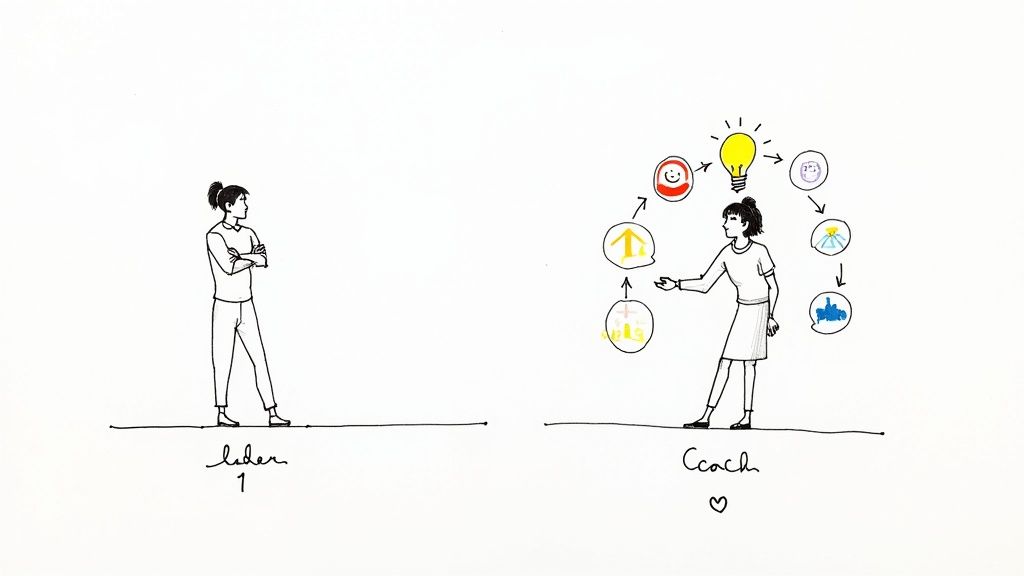
For a long time, the “command-and-control” style of leadership was the default. It’s a top-down approach focused on giving orders and expecting compliance. In today’s workplace, this is a total culture killer. It suffocates innovation, creates a climate of fear, and makes talented people feel like cogs in a machine.
The most effective leaders I’ve seen operate more like coaches. A coach doesn’t just bark orders; they work to unlock an individual’s potential. They ask insightful questions, offer genuine support, and create an environment where it feels safe to try something new, even if it might fail.
Research published in The Leadership Quarterly backs this up completely. The study found that “transformational leadership,” a style focused on coaching and inspiring teams, is strongly linked to higher employee motivation, satisfaction, and performance.
The difference this shift makes is night and day. Imagine a manager who punishes every small misstep. That team will quickly learn to stop taking risks, hide problems, and only do exactly what they’re told. Now, picture a manager who sees an intelligent risk that didn’t pan out and asks, “Okay, what did we learn here?” That team will innovate, solve problems proactively, and feel a true sense of ownership over their work.
Concrete Actions Leaders Can Take Today
The good news is that this isn’t about changing personalities. It’s about building trainable skills. Managers can start modeling the right behaviors immediately with a few intentional, consistent practices.
Here are a few habits leaders can adopt right now:
- Practice Visible Listening: In meetings, this means putting the laptop away, making eye contact, and actually absorbing what team members are saying. Actionable Step: In your next team meeting, after someone shares an idea, say, “Let me play that back to make sure I understand…” This simple act builds tremendous psychological safety.
- Own Mistakes Publicly: When a leader messes up, they should acknowledge it openly and share what they learned. Saying, “I was wrong about that approach, and here’s what I’ll do differently,” is incredibly powerful. It normalizes imperfection and encourages honesty from everyone else.
- Celebrate the Process, Not Just the Win: Instead of only cheering for a successful outcome, recognize the hard work, brilliant collaboration, and smart thinking that went into a project—even if the final result wasn’t a home run. This signals that effort and intelligent risk-taking are what you value most.
Building Trust Through Transparency
A cornerstone of this coaching-centric leadership style is transparency. When people understand the “why” behind a decision, even if they don’t love it, they are far more likely to get on board. Leaders who hoard information or make decisions behind closed doors inadvertently create a culture of rumor and distrust.
Being transparent doesn’t mean you have to share every confidential detail. It just means providing context. For example, instead of just announcing a new software system is being rolled out, a leader could explain the business challenges that led to the change and how this new tool is expected to make the team’s life easier. It’s about treating employees like respected partners. For more ideas on this, check out our guide to improving communication in the workplace.
Ultimately, it all comes down to creating the right environment. One workplace study found that when managers create a safe space for people to express their ideas, those employees are 31 times more likely to view their workplace as innovative. This proves that skills like emotional intelligence and active listening aren’t just “soft” perks—they are fundamental drivers of business performance and talent retention.
5. Build Systems for Recognition and Growth
A strong culture isn’t just about good vibes and a mission statement on the wall. It’s built on a foundation of tangible, consistent systems that show your people they’re seen, valued, and have a real future with you. While an annual bonus is always appreciated, it’s the frequent, specific moments of recognition and clear paths for growth that truly shape an employee’s day-to-day experience.
This is how you turn your cultural values from words on a poster into actions people feel every single day.
The power of appreciation is immense. When you get it right, frequent and meaningful recognition is one of the most effective tools you have for reinforcing the exact behaviors you want to see across the organization. It’s a direct signal that an individual’s contribution actually matters.
In fact, consistent recognition can be a total game-changer for retention. The latest culture trends report from O.C. Tanner reveals that frequent employee recognition lowers attrition odds by 29%. In a world where more than half of employees would rather quit than return to the office full-time, building a culture of genuine care isn’t just a nice-to-have. You can dive into the full findings on employee recognition and culture on octanner.com.
Make Recognition a Daily Habit
For recognition to land with impact, it has to be timely and specific. Waiting for a quarterly review is simply too slow; by then, the moment is gone. The real goal is to create a constant stream of positive reinforcement that’s woven directly into your daily workflow.
Here are a few practical ways to get started right away:
- Peer-to-Peer “Shout-Outs”: Create a dedicated Slack or Teams channel (we use
#winsor#props) where anyone can publicly thank a colleague. Actionable Step: Create this channel today. Seed it with the first 3-5 posts yourself, recognizing specific team members to model the behavior you want to see. - Kick Off Meetings with Wins: Dedicate the first five minutes of your weekly team meeting to celebrating wins from the past week. It can be anything from closing a small deal to solving a tricky customer problem. This simple ritual makes success a shared experience.
- Tie Recognition to Company Values: When you recognize someone, connect their action back to a specific company value. For example, “John, the way you proactively documented that new process perfectly embodies our value of ‘Share Knowledge’.” This makes your values real and actionable, not just abstract concepts.
Chart a Clear Path for Growth
Feeling stuck is one of the fastest ways to disengage a talented employee. If people can’t see a future for themselves at your company, you can bet they’ll start looking for one somewhere else. That’s why building clear pathways for career development is such a powerful retention magnet.
This doesn’t mean promising everyone a promotion every six months. It’s about fostering a culture of continuous learning and showing people how they can grow their skills and impact right where they are.
A study in the Journal of Applied Psychology found that employees who have access to development opportunities report higher job satisfaction and are significantly less likely to leave. This isn’t just about climbing the ladder; it’s about personal and professional mastery.
Choosing the right recognition tactics for your team can make all the difference. Some methods are quick to implement, while others require a bit more structure, but each has a unique impact.
Comparing Recognition Strategies
A breakdown of different employee recognition tactics to help you choose the most effective methods for your teams.
| Recognition Tactic | Potential Impact | Implementation Effort | Example |
|---|---|---|---|
| Peer-to-Peer Slack Channel | High – Fosters camaraderie and real-time appreciation. | Low – Set up the channel and encourage its use. | Posting a “shout-out” for a colleague in a public #wins channel. |
| Value-Based Spot Awards | High – Directly reinforces desired cultural behaviors. | Medium – Requires a budget and a simple nomination process. | A manager gives a small gift card to an employee who embodied the “Customer First” value. |
| Meeting “Win” Celebrations | Medium – Boosts team morale and makes progress visible. | Low – Add it as a standing agenda item. | Starting a weekly team sync by having everyone share a small success from the week. |
| Personalized Thank-You Notes | High – A personal touch from a leader can be very powerful. | Low – Just requires time and sincerity. | A handwritten note from the CEO acknowledging a specific contribution. |
Ultimately, a mix of these strategies often works best, creating a rich and varied culture of appreciation that meets people where they are.
Weave Learning Into the Workflow
To make growth a core part of your culture, you have to move beyond the occasional off-site training day. The key is to integrate learning into the daily routine.
- Host “Lunch and Learns”: Have internal experts host optional sessions to share their skills, from spreadsheet wizardry to public speaking.
- Offer a Learning Stipend: Give employees a small budget to spend on books, courses, or conferences that align with their career goals. It shows you’re invested in them.
- Foster Mentorship: Create a simple, low-lift program connecting junior employees with senior leaders for guidance and support.
When you invest in both recognition and development, you create a powerful, self-reinforcing cycle. Recognized employees feel motivated to grow, and as they grow, they contribute more, creating even more opportunities for recognition. This is how you build a culture that is sustainable, impactful, and directly tied to your people’s success.
Fostering Wellbeing and Connection in a Modern Workplace
A great culture supports the whole person, not just the employee. In a world where burnout is a constant threat, improving your culture means going way beyond generic wellness apps. It’s about embedding wellbeing directly into your company’s DNA through meaningful, structural changes that show you genuinely care about your team’s health, not just their output.
This shift is more critical than ever. Global employee engagement has cratered to just 21%, a crisis costing the world economy billions. This isn’t just a minor dip; it’s a signal of deep-rooted issues. A staggering 66% of employees report feeling burned out, crushed by unrealistic expectations and a real lack of support. You can see the full, sobering picture in Gallup’s State of the Global Workplace Report.
Make no mistake, this isn’t just an “HR problem.” It’s a systemic business problem that demands a systemic solution.
From Wellness Perks to Cultural Principles
True wellbeing isn’t about tossing a meditation app at your team and calling it a day. It’s about creating an environment where rest is respected, boundaries are crystal clear, and support is proactive, not reactive. The goal is to make wellbeing a core part of how you operate.
Here are a few practical, structural changes I’ve seen work wonders:
- Set Clear Boundaries Around Working Hours: Don’t just say it—live it. Actively discourage after-hours emails and messages. Actionable Step: Leaders can add a line to their email signature like, “My working hours may not be your working hours. Please do not feel obligated to reply outside of your normal schedule.”
- Encourage Leaders to Model Taking PTO: When a leader takes their vacation time and truly disconnects (no “just checking in” emails), it sends a powerful message that rest isn’t just allowed; it’s expected for everyone.
- Train Managers to Spot Early Signs of Burnout: Give your managers the tools to recognize subtle shifts in behavior, like increased irritability or disengagement. More importantly, teach them the language to open up a supportive, non-judgmental conversation.
A peer-reviewed study in the Journal of Occupational Health Psychology demonstrated that organizational support for employee health and wellbeing is a significant factor in reducing burnout and increasing job satisfaction.
For companies ready to go deeper, structured programs can make a profound impact. You can learn how specific practices like guided breathwork can be woven into your strategy by exploring different types of workplace mental health programs. These kinds of initiatives give employees practical tools to manage stress and build resilience long-term.
Cultivating Genuine Connection in Any Setting
Wellbeing is also deeply tied to a sense of belonging. This gets tricky in remote or hybrid setups where those spontaneous “water cooler” chats just don’t happen anymore. Building these bonds now requires a lot more intention.
You have to create structured opportunities for people to connect as human beings, not just as colleagues on a project.
To build that sense of community and boost morale, consider trying some of the best team building activities to boost collaboration. Shared experiences, even simple ones, can break down silos and build the trust that great teamwork depends on.
Actionable Ideas to Foster Deeper Bonds
- Structured Social Events: Host virtual coffee chats or online game sessions that are purely for fun—work talk is strictly off-limits. For in-person or hybrid teams, organize team lunches or off-sites that are all about connection.
- Purpose-Driven Employee Resource Groups (ERGs): Actively support the creation of ERGs that bring together employees with shared identities or interests, like a working parents group or a sustainability committee. Give them a real budget and a direct line to leadership so they can make an impact.
- Peer Mentorship Programs: Pair new hires with seasoned team members who aren’t their direct managers. This creates a safe space for asking the “silly” questions and helps them build relationships across the company from day one.
A study on what makes workplaces great found that when employees feel a true sense of belonging, they are five times more likely to want to stay with the company long-term. This isn’t just a nice-to-have; it’s a powerful retention strategy. When people feel genuinely connected to their peers and to the company’s mission, they become more resilient, more engaged, and more motivated to bring their A-game every day.
Your Culture Implementation Roadmap
Talking about culture is one thing; actually changing it is where the real work begins. A solid implementation plan is what turns those great ideas into the day-to-day reality of your workplace. Without a roadmap, even the best intentions tend to lose steam.
The trick is to build momentum with some quick wins while keeping your eye on the long-term vision. I always recommend starting with a focused 90-day plan. This initial phase is all about building trust and showing everyone, through visible action, that you’re serious about this. For a closer look at structuring these early steps, you can find some great practical strategies to improve workplace culture.
Your First 90 Days
In this first sprint, you want to zero in on initiatives that are high-impact but not overly complicated to roll out. The goal is to make the cultural shift feel real and immediate.
Here’s what I’d focus on in Months 1-3:
- Launch a peer recognition channel. This is a simple but powerful one. Set up a dedicated space in Slack or Teams where people can publicly celebrate each other’s work and contributions.
- Train managers on active listening. Host a hands-on workshop that gives managers practical skills for running more effective and empathetic one-on-one meetings. This directly impacts how supported their team members feel.
- Conduct ‘stay’ interviews. Instead of waiting for exit interviews, proactively sit down with your key people. Ask them what keeps them engaged and what might ever make them consider leaving. The insights are gold.
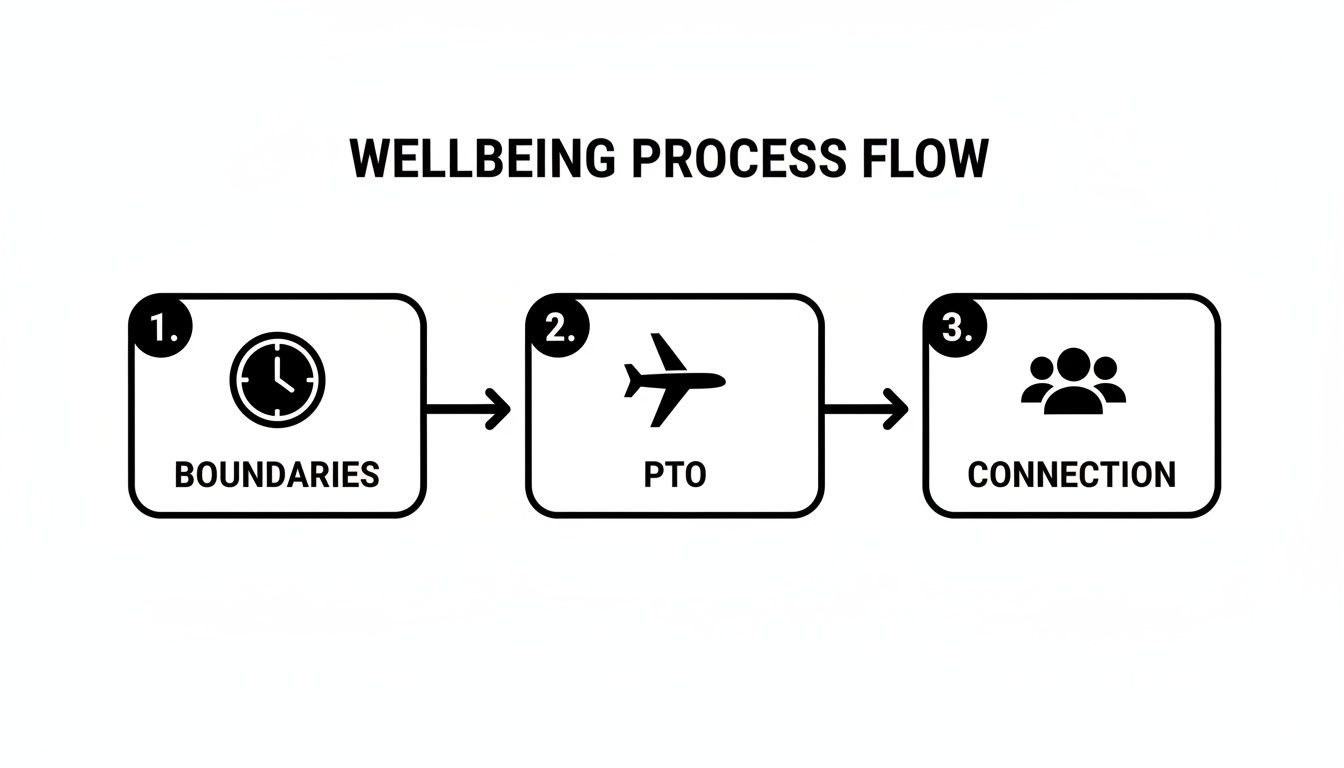
Embedding employee wellbeing is a huge part of any culture roadmap. It’s about preventing burnout and building a more resilient team by focusing on basics like boundaries, time off, and genuine connection.
Measuring What Matters and Iterating
As you start making changes, you absolutely have to track your progress. You need clear Key Performance Indicators (KPIs) to know what’s working and where you need to adjust your strategy. Data keeps you honest.
Here’s a powerful stat to remember: over a 25-year period, the Fortune 100 Best Companies to Work For® delivered cumulative stock market returns of 1,709%. That’s compared to just 526% for the broad market. A high-trust culture isn’t just a “nice-to-have”—it’s a massive financial advantage.
Here are a few key metrics I always keep an eye on:
- Employee Net Promoter Score (eNPS): A simple but incredibly telling measure of employee loyalty.
- Voluntary Turnover Rate: A blunt, direct indicator of whether your culture is becoming a place where people want to build a career.
- Participation in Development Programs: This tells you if people are actually engaging with the growth opportunities you’re creating.
Great culture is never “done.” It’s a living thing that requires constant listening, learning, and refining. Keep asking for feedback, celebrate the wins along the way, and stay committed for the long haul. For more inspiration on this front, check out our guide on https://9dbreathwork.com/corporate-wellness-program-ideas/ to find new ways to support your team.
Your Company Culture Questions, Answered
When you start digging into company culture work, a lot of practical questions naturally come up. It’s one thing to talk about vision and values, but it’s another to make it real. Let’s tackle some of the most common questions I hear from leaders.
Getting clear on these points from the start will help you manage expectations and keep everyone pulling in the same direction.
How Long Does This Actually Take?
Let’s be realistic: genuine culture change doesn’t happen overnight. It’s a marathon, not a sprint.
You can get some quick wins, like launching a new peer recognition program, in just a few weeks. But to see the needle move on the big stuff—like employee engagement scores or turnover rates—you’re looking at a timeline of 6 to 18 months.
Consistency is everything. Think of it as building trust. A study on what makes a truly great workplace found that when leaders consistently walk the talk, their people are far more likely to believe in the company’s direction. It’s those small, steady actions that build momentum.
What If We Don’t Have a Big Budget?
This is a common concern, but here’s the good news: improving culture is far less about expensive perks and much more about how people treat each other every day. Many of the most powerful changes you can make cost nothing at all.
Here are a few high-impact, low-cost ideas:
- Lead by example: Start with yourself. When leaders openly admit to mistakes or practice genuine active listening, it sets a powerful tone.
- Fix your meetings: This is a huge one. Send out clear agendas, start and end on time, and make it clear that people’s time is respected.
- Get specific with praise: A timely, heartfelt “thank you” from a manager, detailing exactly what was great about someone’s work, can be more motivating than a gift card.
Remember, while fair compensation is the foundation, research consistently shows that feeling respected and taking pride in your work are what truly drive long-term satisfaction. You build that with intentional actions, not a bigger budget.
When people feel a true sense of belonging—where they’re valued for who they are, not just for the tasks they complete—they are five times more likely to want to stick around for the long haul. That kind of loyalty is priceless.
Ultimately, building a fantastic culture is a continuous cycle of listening, learning, and adjusting. By focusing on the human elements of trust, recognition, and psychological safety, you create an environment where people don’t just have to show up—they want to.
Ready to build a culture where your team thrives? 9D Breathwork provides powerful tools to enhance employee wellbeing, reduce stress, and foster a more connected workplace. Discover how our unique approach can support your company’s journey at https://9dbreathwork.com.