When you hear the term “natural remedies for depression,” it’s easy to get the wrong idea. We’re not talking about a magical cure or a replacement for professional medical advice. Instead, think of these as powerful, supportive lifestyle choices you can make every single day.
From the food you eat to the way you breathe, these strategies are all about giving your body and mind the resources they need to find balance and build resilience. They are tools that put you back in the driver’s seat of your own well-being, working in harmony with any professional care you’re receiving.
Understanding Natural Support For Depression
Before we get into the specifics, let’s set a realistic expectation. Depression is a serious medical condition. It often requires a structured support plan from qualified healthcare professionals. The natural approaches we’ll cover here are meant to be a powerful complement to that plan—the foundation upon which healing is built.
Imagine you’re a gardener. You wouldn’t just toss seeds onto dry, cracked earth and hope for the best. You’d first cultivate the soil, adding nutrients and water to create an environment where life can flourish. That’s exactly what these natural strategies do for your mental health.
By making conscious daily choices, you’re cultivating an internal environment that supports balanced brain chemistry, a calm nervous system, and a stronger defense against stress. It’s about moving from a place of passive hope to one of active participation in your own recovery.
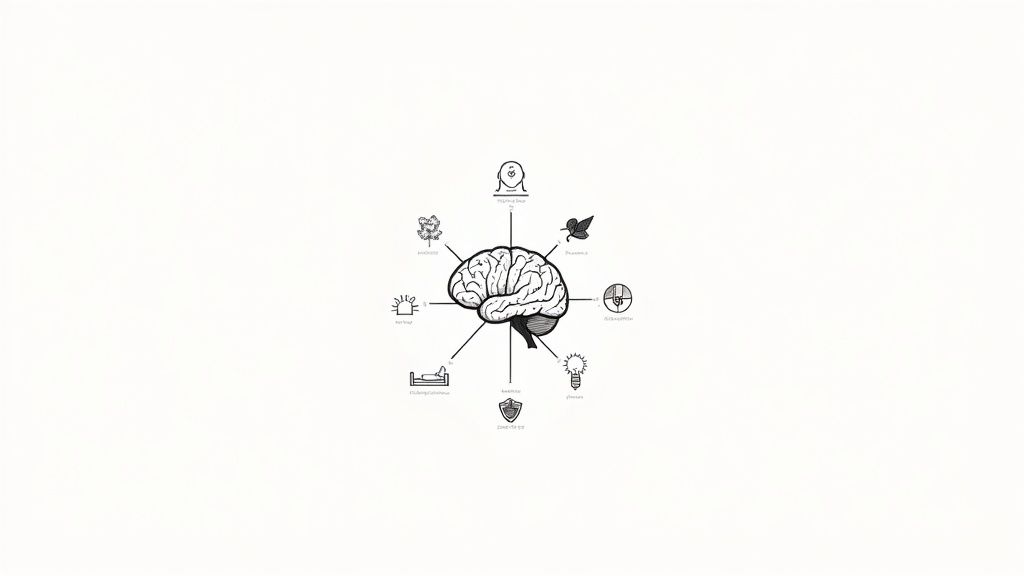
To give you a clear sense of how these different pieces fit together, here’s a quick look at the core areas of natural support you can build into your life.
Actionable Categories of Natural Depression Support
This table provides a high-level overview of the types of natural strategies we’ll be exploring. Each category targets a different aspect of your well-being, but they all work together to create a comprehensive support system.
| Remedy Category | Primary Goal | Examples |
|---|---|---|
| Nutritional Psychiatry | Fuel the brain with mood-regulating nutrients | Omega-3s, B Vitamins, Probiotics, Magnesium |
| Mind-Body Practices | Regulate the nervous system and reduce stress | Breathwork, Meditation, Hypnosis, Binaural Beats |
| Lifestyle Foundations | Create a stable biological rhythm and baseline | Consistent Sleep, Regular Movement, Sunlight Exposure |
| Herbal & Botanical Support | Use plant-based compounds to influence mood pathways | St. John’s Wort, Saffron, Ashwagandha |
By weaving elements from each of these categories into your daily routine, you create a powerful, multi-layered approach to managing your mental health.
A Roadmap To Holistic Well-Being
To give you a clear picture of what’s ahead, we’ll explore several key areas where you can make a tangible impact. Each section of this guide is designed to provide actionable steps you can start using right away.
Here’s a glimpse of how these elements connect:
- Fueling Your Brain: We’ll dive into how specific foods and nutrients directly impact key neurotransmitters like serotonin, the very chemicals responsible for regulating your mood.
- Mind-Body Connection: You’ll learn simple yet powerful techniques, like targeted breathwork, that can instantly dial down your body’s stress response and quiet an overactive mind. For a deeper look at how this works, check out this piece on exploring the healing power of breathwork.
- Lifestyle Foundations: We’ll cover the non-negotiables—sleep, movement, and sunlight—and explain why they are so critical for establishing a stable emotional baseline.
This holistic approach isn’t just a niche trend; it’s a response to a global need. Depression is incredibly common, affecting roughly 5.7% of adults worldwide. In the United States alone, nearly a quarter of adults report experiencing symptoms of depression. It’s no surprise, then, that so many people are looking for plant-based and lifestyle strategies to support their mental health journey.
The goal is to create a supportive ecosystem for your mental health. By combining professional guidance with these natural, actionable strategies, you build a robust and multifaceted defense against depressive symptoms, empowering yourself with tools for lasting wellness.
How Food Can Fuel a Healthier Mind
We’ve all heard the vague advice to “eat healthy,” but what does that actually look like when you’re trying to manage symptoms of depression? It turns out, certain foods can genuinely support your brain chemistry, and understanding that connection is a powerful first step. The link between what’s happening in your stomach and what’s happening in your head is so profound that scientists have nicknamed the gut the “second brain.”
Think of it like a constant two-way conversation. This communication network, known as the gut-brain axis, is the superhighway connecting your digestive system to your central nervous system. What you eat directly impacts the quality of the messages sent along this highway, influencing everything from your energy to your emotional state.
A healthy gut is home to trillions of good bacteria that help produce the very chemicals that regulate your mood. In fact, an incredible 95% of your body’s serotonin—a key neurotransmitter for happiness and well-being—is made right there in your gut. When that delicate internal ecosystem gets thrown off balance, it can disrupt the production of these feel-good chemicals, which can contribute to depressive symptoms.
Nurturing Your Gut-Brain Axis
One of the most effective ways to support your mental health through diet is to feed those beneficial gut bacteria. The best way to do that is by adding probiotic-rich foods to your meals. These foods contain live, healthy bacteria that act like reinforcements for the good guys already living in your gut.
Here are a few easy ones to start with:
- Kefir: Think of this fermented milk drink as a supercharged, drinkable yogurt. Action step: Try swapping out regular milk for a quarter-cup of kefir in your morning smoothie.
- Sauerkraut: This fermented cabbage is a probiotic powerhouse. Action step: Buy the raw, unpasteurized kind from the refrigerated section—the shelf-stable jars have been heated, which kills off all the good bacteria. Add a spoonful as a side to your next meal.
- Kimchi: A spicy, flavorful Korean staple made from fermented veggies. Action step: Add a forkful to your scrambled eggs or mix it into a rice bowl for a probiotic kick.
- Yogurt: The key here is to look for plain, unsweetened yogurt that specifically lists “live and active cultures” on the label. Action step: Choose plain Greek yogurt for an extra protein boost and top it with berries and nuts.
Even just adding one of these to your daily routine starts to build a stronger foundation for your mental wellness.
Building Blocks for a Balanced Brain
Beyond probiotics, your brain needs a steady supply of specific nutrients to function at its best. These are the raw materials it uses to build the neurotransmitters that keep your mood stable. Trying to improve your mood without them is like trying to build a house without any bricks or wood.
When your diet lacks these core nutrients, your brain simply can’t produce the mood-stabilizing chemicals it needs. Prioritizing these foods gives your brain the building blocks to become more resilient.
Three of the most important players are Omega-3s, B vitamins, and magnesium.
Actionable Foods for Brain Health
Let’s get practical. Here’s exactly what to look for and how to easily work these powerhouse nutrients into your meals.
1. Omega-3 Fatty Acids
These healthy fats are essential for the structure and function of your brain cells. They also help fight inflammation, which researchers have increasingly linked to depression.
- Action Step: Aim for two servings of fatty fish like salmon, mackerel, or sardines each week. A simple meal idea is a baked salmon fillet with roasted vegetables.
- Plant-Based Action Step: If you’re not a fish fan, add one tablespoon of chia seeds to your morning yogurt or a handful of walnuts to your afternoon salad.
2. B Vitamins (Especially B9 and B12)
B vitamins are critical for producing the brain chemicals that influence mood. In fact, low levels of B12 and folate (B9) are often seen in people struggling with depression.
- Action Step: Make a large salad with a dark leafy green base like spinach for lunch. For B12, include eggs for breakfast or sprinkle fortified nutritional yeast on popcorn for a cheesy flavor.
3. Magnesium
This mineral is a true workhorse, involved in hundreds of processes in your body, including nerve function and mood regulation.
- Action Step: When you crave a sweet treat, reach for a square of dark chocolate (70% cacao or higher). Snacking on a small handful of almonds or adding half an avocado to your toast are also easy ways to boost your intake.
Using Evidence-Based Supplements Wisely
A nutrient-rich diet is the bedrock of good mental health, but sometimes, targeted support can make a real difference. Think of your brain chemistry as a complex orchestra; food provides the energy for all the musicians, but occasionally, a specific instrument section needs a little extra help to stay in tune. This is where certain supplements can come in, acting as a valuable tool among the natural remedies for depression.
However, walking down the supplement aisle can be overwhelming. It’s a maze of bold claims and flashy labels. The key is to cut through that noise and focus on the options that have solid scientific research behind them. It’s about making smart, informed choices, not chasing every new trend.
A massive review of 209 randomized controlled trials found that a few specific natural products have the most robust evidence for easing depressive symptoms. The standouts? Omega-3s, St. John’s Wort, saffron, probiotics, and vitamin D. This tells us that while countless options exist, only a handful are consistently backed by quality research.
Top Supplements with Strong Support
Let’s dig into a few of the most well-researched supplements you can discuss with your healthcare provider. Each one works a bit differently to support your brain’s natural mood-regulating systems.
- St. John’s Wort (Hypericum perforatum): Probably the most famous herbal mood support, this plant helps keep key neurotransmitters like serotonin and dopamine available in the brain for longer. It’s like a friendly traffic cop that prevents these “feel-good” chemicals from being cleared away too quickly.
- Saffron (Crocus sativus): This vibrant spice isn’t just for cooking. It has shown impressive results in clinical studies, with some research suggesting it performs as well as certain antidepressants for mild-to-moderate depression. Saffron is thought to influence serotonin levels and provides powerful antioxidant effects that protect brain cells from stress.
- Vitamin D: Often called the “sunshine vitamin,” Vitamin D acts more like a hormone in the body and is absolutely crucial for brain health. Your brain has dedicated Vitamin D receptors in areas directly linked to mood, and a deficiency is strongly correlated with a higher risk of depressive symptoms.
This infographic helps visualize how different nutrients and compounds support the brain’s complex network, from the gut-brain axis to the very building blocks of our neurons.
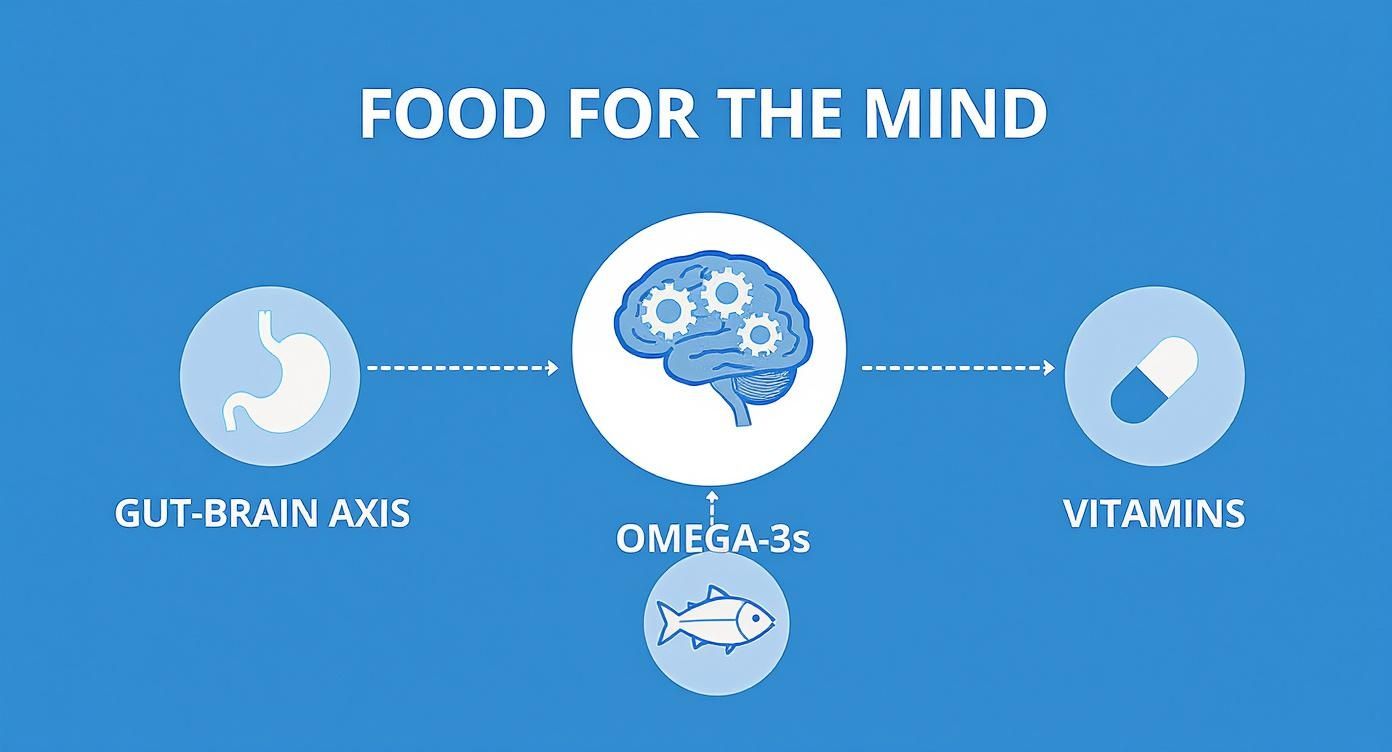
It’s a great reminder that mental wellness isn’t about finding a single magic pill. It’s about nourishing a whole ecosystem of interconnected systems that work together to keep your mind healthy.
To help you compare these options at a glance, here’s a breakdown of the top evidence-based supplements.
Comparing Top Evidence-Based Natural Supplements
| Supplement | Primary Mechanism | Level of Evidence | Key Safety Note |
|---|---|---|---|
| St. John’s Wort | Neurotransmitter reuptake inhibition (serotonin, dopamine) | Strong (for mild to moderate) | High potential for drug interactions. Never mix with SSRIs. |
| Saffron | Serotonin modulation, antioxidant, anti-inflammatory | Strong (for mild to moderate) | Generally well-tolerated; very high doses can be toxic. |
| Omega-3s (EPA/DHA) | Anti-inflammatory, improves cell membrane fluidity | Strong (especially with high EPA) | Generally safe; can have blood-thinning effects at high doses. |
| Vitamin D | Hormone-like action on brain receptors, reduces inflammation | Moderate to Strong (especially for deficiency) | Best to test levels first; toxicity is possible with very high intake. |
| Probiotics | Gut-brain axis modulation, reduces inflammation | Emerging to Moderate | Strain-specific effects; generally very safe. |
This table highlights that even the most well-supported natural options have nuances. Always approach them with the same caution and respect you would any other treatment.
Navigating Supplements Safely and Effectively
Just because something is labeled “natural” doesn’t automatically mean it’s safe for everyone. Supplements are potent compounds that can have powerful effects on your body and, crucially, can interact with other medications.
CRITICAL SAFETY WARNING: St. John’s Wort should NEVER be taken with SSRI antidepressants (like Prozac or Zoloft). The combination can trigger serotonin syndrome, a potentially life-threatening condition where the brain is flooded with too much serotonin. It also interferes with many other drugs, including birth control pills and blood thinners.
It’s also worth noting that supplements supporting overall cellular health and longevity often create positive ripple effects for mental well-being. For a wider view on this, you can discover the best longevity supplements that can also support mental health.
A Practical Checklist for Choosing Supplements
To make sure you’re getting a safe and effective product, you have to be a savvy consumer. Here’s a simple checklist to run through when you talk with your doctor.
- Always Talk to Your Doctor First. This is non-negotiable. They can help you figure out if a supplement is right for you, recommend a safe dose, and check for any risky drug interactions.
- Look for Third-Party Certification. The supplement industry isn’t regulated like pharmaceuticals. Look for seals from groups like NSF International, U.S. Pharmacopeia (USP), or ConsumerLab.com. These seals verify the product actually contains what it says it does.
- Check for Standardization. For herbs like St. John’s Wort, look for “standardized” products. This ensures each dose has a consistent amount of the active ingredient (e.g., standardized to 0.3% hypericin), so you get a reliable effect.
- Start Low and Go Slow. Begin with the lowest effective dose your doctor suggests. This lets you see how your body reacts and minimizes any potential side effects.
- Be Patient and Consistent. Natural remedies, including supplements, are not a quick fix. It can often take 4-6 weeks of consistent daily use before you notice a real shift. Keep a simple journal to track your progress and see the gradual improvements.
Powerful Mind-Body Practices You Can Start Today

Beyond what you eat or the supplements you take, some of the most effective natural approaches to depression are completely free. Better yet, you can access them anytime, anywhere.
These are mind-body practices—simple but profound techniques that give you a direct line to your nervous system, helping you build real mental resilience. They work by interrupting the runaway train of stress and retraining your brain’s knee-jerk reactions to depressive or anxious thoughts.
Think of your nervous system as having both a gas pedal and a brake. When you’re stressed, it’s like your foot is slammed on the gas. Mind-body practices are how you learn to consciously tap the brakes, slow everything down, and get back in the driver’s seat.
This isn’t just about “relaxing.” You’re actively training your brain. With consistent practice, you strengthen the neural pathways for calm and focus, making it easier to find that centered state even when life gets chaotic.
Instantly Regulate Your Nervous System with Box Breathing
One of the fastest ways to hit the brakes on your stress response is by taking control of your breath. When we feel overwhelmed, our breathing naturally becomes shallow and quick, which sends a panic signal straight to the brain. By intentionally slowing it down, you send a powerful message back: “I am safe.”
Box breathing is a fantastically simple four-step technique used by Navy SEALs, elite athletes, and doctors to stay calm under immense pressure. You can do it anywhere—at your desk, in traffic, or right before a tough conversation.
Action step: Set a timer on your phone for one minute. Close your eyes and follow these steps:
- Inhale for 4 Seconds: Slowly breathe in through your nose for a count of four. Feel your stomach expand.
- Hold for 4 Seconds: Gently hold that breath for another four-second count. Don’t clench.
- Exhale for 4 Seconds: Slowly and completely breathe out through your mouth for four seconds.
- Hold for 4 Seconds: Pause for a final four-second count before starting again.
Repeat this cycle until your timer goes off. Just one minute of this can create a noticeable shift in how you feel, both physically and mentally. It works so well because it directly stimulates the vagus nerve, which is like the master switch for your body’s relaxation response. If you’re curious about diving deeper, check out our guide on the essentials of guided breathwork.
Ground Yourself with a 5-Minute Body Scan Meditation
When you’re stuck in a loop of depressive thoughts, it can feel like being lost in a thick fog. A body scan meditation is an anchor that pulls you out of your head and back into the reality of the present moment. It helps you find distance from those racing thoughts by shifting your focus to the simple, solid sensations in your own body.
The goal isn’t to force your mind to go blank. It’s simply to notice. By focusing on physical sensations, you create a little space between you and your thoughts, and you start to realize you are the observer of the storm, not the storm itself.
Action step: Find a comfortable spot where you won’t be disturbed. Sit in a chair or lie on the floor. Set a timer for five minutes, close your eyes, and begin.
- Step 1: Start with Your Feet. Bring all of your attention to the sensations in your feet. Notice how they feel against the floor or inside your shoes. Are they warm? Cold? Tingly? Just observe.
- Step 2: Slowly Move Upward. Gently shift your focus up your body—ankles, calves, knees. Spend about 30 seconds on each part, just noticing whatever feelings are there without judging them.
- Step 3: Scan Your Torso and Arms. Continue up through your thighs, hips, stomach, and chest. Then, bring your awareness to your hands, up your arms, and to your shoulders. If you find tension, just acknowledge it without needing to fix it.
- Step 4: Finish at the Top. Finally, scan your neck, face, and the very top of your head. When the timer goes off, take one last, deep breath to finish.
This simple act of paying attention is powerful mental training. It teaches you to direct your awareness, rather than letting it get hijacked by negative thought patterns. Incorporating practices like these taps into a long history of wellness. The World Health Organization notes that around 80% of the world’s population uses traditional medicine, including natural remedies, as a key part of their healthcare. We even see this in research on plants like Lavender, which has shown therapeutic effects on the brain’s GABA systems—the same ones involved in relaxation.
Lifestyle Changes That Make a Real Difference

Sometimes the most powerful tools for our mental well-being are the ones woven right into our daily lives. Think about it: movement, sleep, sunlight, and genuine connection aren’t just “nice-to-haves.” They’re the very foundation of a stable biological rhythm that governs our mood and resilience to stress.
Imagine trying to grow a plant in dry, depleted soil. You can add all the fancy fertilizer you want, but without good soil, water, and sunlight, it will never thrive. Our lifestyle habits are the soil for our mental health. Let’s dig into some practical ways to enrich that soil.
Movement as Nature’s Antidepressant
There’s a reason exercise is so often called “nature’s antidepressant.” When you get your body moving, your brain releases a flood of endorphins, those incredible chemicals that elevate your mood and act as natural painkillers. But it goes deeper than that. Consistent movement actually helps grow new brain cells and strengthens the pathways between them—a crucial process for long-term brain health.
The trick is to find something you actually enjoy and start small. This isn’t about punishing yourself at the gym. It’s about consistency, not intensity.
Your first step: Aim for a simple 10-minute walk outside each day this week. Put it in your calendar right now. The power is in building the habit, not in running a marathon on day one. A small, repeatable action is far more valuable than one big effort you never do again.
Once you find your rhythm, you can gradually do more or try new things. The goal is to make movement a sustainable part of your life, not just another task to check off a list.
Prioritize Restorative Sleep
Sleep isn’t a luxury; it’s a non-negotiable pillar of mental health. While you’re sleeping, your brain is hard at work clearing out toxins, processing the day’s emotions, and filing away memories. When that process is cut short, you’re left far more vulnerable to low moods and stress.
Improving your sleep hygiene is all about creating a routine that signals to your body that it’s time to power down. You’d be amazed at how a few small, consistent tweaks to your evening can transform your sleep quality.
Here are a few simple things you can try tonight:
- Action Step 1: Set a Bedtime Alarm. Most of us set an alarm to wake up. Tonight, set one for 30 minutes before you want to be asleep. When it goes off, it’s your cue to start winding down.
- Action Step 2: Power Down All Screens. The blue light from phones, tablets, and TVs messes with melatonin, the hormone that tells your body it’s time to sleep. Put all screens away at least an hour before bed.
- Action Step 3: Cool Your Room. A quiet, dark, and cool environment is your best friend for deep sleep. Open a window or turn down the thermostat by a degree or two.
Beyond the basics, some people find other rituals helpful. For instance, using a sauna to improve sleep can help relax the body, making it easier to drift into a deeper, more restorative state.
Harness the Power of Sunlight and Connection
As human beings, we are fundamentally wired for two things: sunlight and social connection. A shortage of either can directly impact our mood. Getting natural sunlight, especially first thing in the morning, helps to calibrate your body’s internal clock, regulating everything from energy levels to mood.
In the same way, real, meaningful connection with others acts as a powerful buffer against depression. Isolation tends to amplify our negative thoughts, whereas sharing our experiences gives us perspective and reminds us we’re not alone. The secret is to be intentional about it.
Here are two small, concrete goals to get you started:
- Sunlight Action: Tomorrow morning, step outside for just 5 minutes within the first hour of waking up. Leave your phone inside. Just look at the sky and feel the air.
- Connection Action: Before the end of the day, send a text to one friend you haven’t spoken to in a while and ask them a specific question about their life.
By focusing on these foundational habits, you’re also helping your body better manage its stress-response systems. When life feels overwhelming, keeping cortisol—our main stress hormone—in check is critical. You can learn more in our guide on how to reduce cortisol levels naturally.
How to Weave Natural Remedies Into Your Routine—Safely
Deciding to explore natural approaches for depression is a big, positive step. But it’s one that needs to be taken thoughtfully. It’s easy to fall into the trap of thinking “natural” always means “harmless,” but that’s a dangerous oversimplification. Many herbs and supplements are powerful substances that can interact with medications or cause issues if used incorrectly.
Think of it like this: you wouldn’t change the dose of your antidepressant without talking to your doctor. The same respect and caution should apply to natural remedies. The goal here isn’t to go it alone, but to become an informed, active participant in your own care, making sure every choice supports your well-being.
Your Doctor Is Your Co-Pilot
The single most important part of adding any natural remedy is keeping your doctor in the loop. They have the full map of your health history and can spot potential roadblocks, like a supplement interacting with a medication you’re already on.
To make that conversation count, you need to go in prepared. Instead of just asking if something is “okay,” which is too vague, get ready to ask specific questions that help you build a safe plan together.
Walking into your appointment with a list of questions changes the dynamic. You’re no longer just a patient; you’re a collaborator in your own health, ready to build a strategy that works for you.
Action Step: Before your next doctor’s visit, write down these questions to take with you:
- “Could this supplement cause any problems with my current treatment plan or other medications?”
- “Given my specific health situation, what do you think is a safe starting dose for me?”
- “Are there any particular side effects I should keep an eye out for?”
- “Do you know of any high-quality, reputable brands for this supplement?”
Track What You’re Doing and How You’re Feeling
Once you and your doctor have a plan, it’s crucial to monitor how you’re responding. Our memories can be fuzzy, and it’s hard to notice subtle, gradual changes. This is where keeping a simple daily journal becomes an incredibly powerful tool.
Action Step: Grab a notebook or open a notes app on your phone. For the next week, spend two minutes at the end of each day recording the following:
- Daily Score (1-10): Rate your mood, energy level, and anxiety. A quick number is all you need.
- What You Took: Log the remedy, the dose, and what time you took it.
- Notes: Jot down anything else you notice, good or bad. Did you feel calmer after your morning walk? A little headachy in the afternoon? More focused? Write it down.
This simple habit gives you and your doctor concrete data to work with, making it much easier to see what’s actually making a difference.
Got Questions? Let’s Find Some Answers
It’s completely normal to have questions when you’re exploring natural paths for managing depression. In fact, it’s a great sign—it means you’re being thoughtful and proactive about your health. Let’s tackle some of the most common questions with clear, straightforward answers to help you move forward with confidence.
Can I Swap My Antidepressants for Natural Remedies?
This is a big one, and the short answer is: not without your doctor’s direct guidance. While some studies suggest certain remedies can be as effective as antidepressants for mild to moderate depression, this isn’t a simple swap.
It’s much safer and more effective to think of these natural approaches as powerful tools in your overall wellness toolkit. They often work best alongside, not in place of, conventional treatment. Never, ever stop taking prescribed medication on your own. Abruptly stopping can cause serious withdrawal symptoms and a relapse in depression.
Is It Safe to Combine Herbs and Supplements with My Prescriptions?
This can be a minefield, so proceed with extreme caution. The answer is generally no, unless you have explicit approval from your doctor.
Some combinations are genuinely dangerous. For instance, mixing St. John’s Wort with a common antidepressant (like an SSRI) can trigger a life-threatening condition called serotonin syndrome. It can also interfere with the effectiveness of other critical medications, including birth control pills.
Treat herbal supplements with the same seriousness as prescription drugs. They contain powerful bioactive compounds that can cause significant interactions. Always have a conversation with your doctor or pharmacist before adding anything new to your regimen.
How Long Will It Take to Feel a Difference?
Patience is key here. Natural remedies don’t typically offer a quick fix; they work by supporting your body’s own systems over time.
For supplements, you might need to take them consistently for 4-6 weeks before you start to notice a real shift in your mood. With lifestyle changes like exercise or dietary adjustments, the benefits are cumulative. They build on each other, day by day. A great way to stay motivated is to keep a simple mood journal—it can help you see the small, steady improvements you might otherwise miss.
When Is It Time to See a Doctor?
Honestly, the best time to see a doctor is before you start any new treatment plan. But it becomes absolutely critical to seek professional help immediately if:
- Your symptoms feel severe or overwhelming.
- You are having any thoughts of harming yourself.
- Depression is making it difficult to function in your daily life—at work, in your relationships, or even just taking care of yourself.
A qualified healthcare professional can give you an accurate diagnosis and help you create a safe and comprehensive plan that’s right for you.
At 9D Breathwork, we’re passionate about giving you tools to build mental and emotional strength from the ground up. Our method brings together breathwork, binaural beats, and guided hypnosis to help you work through the roots of stress and find your balance. If you’re ready to build resilience and cultivate a sense of inner calm, we invite you to explore our guided journeys.